PROPERTY-HELD SALES FIELD REPORT
A Ford 2N with loader and a John Deere Gator were each separated from the surrounding estate contents, marketed before the general sale, and sold while remaining at their respective properties.
The machines, prices, and timelines were different. The useful common pattern was operational: identify the consequential item, preserve the property as its temporary holding and inspection location, market it to its own buyer population, and manage the transaction beyond a short liquidation window.
Ford 2N with loader: $3,500 in approximately three weeks
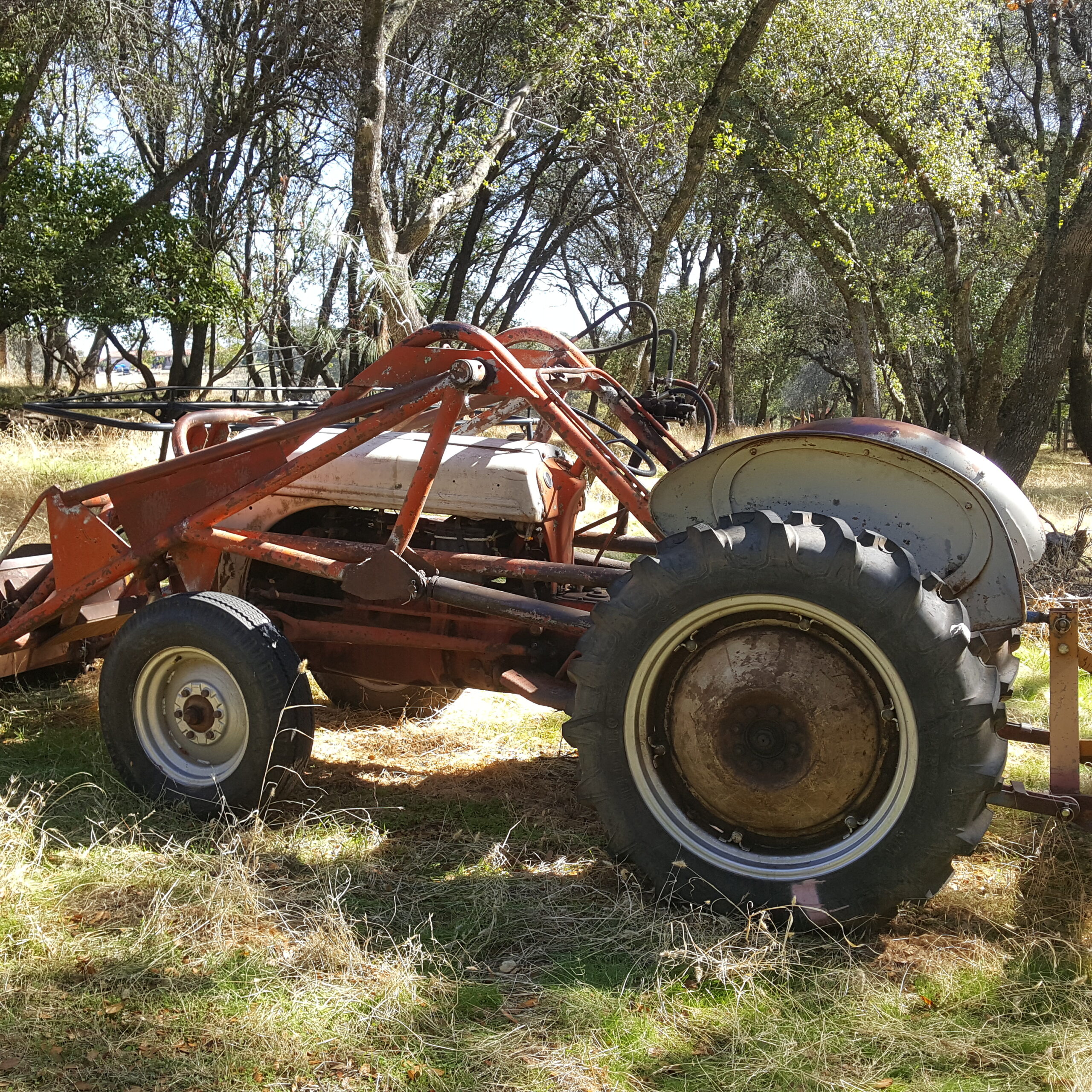
The older Ford 2N had a loader and known oil-logged brakes. Preparation was limited to a battery, hydraulic oil, and fresh fuel. It was not transported to a dealership, auction yard, or permanent SNED facility.
The tractor was advertised separately as a pre-sale item connected to the estate assignment. A buyer saw the estate-sale advertising, came specifically for the tractor, and purchased it for $3,500 after approximately three weeks.
The selling work continued through buyer contact, payment, bill of sale, and loading. The property supplied the holding location while there was still time to find the tractor buyer.
John Deere Gator: $11,900 in approximately one week
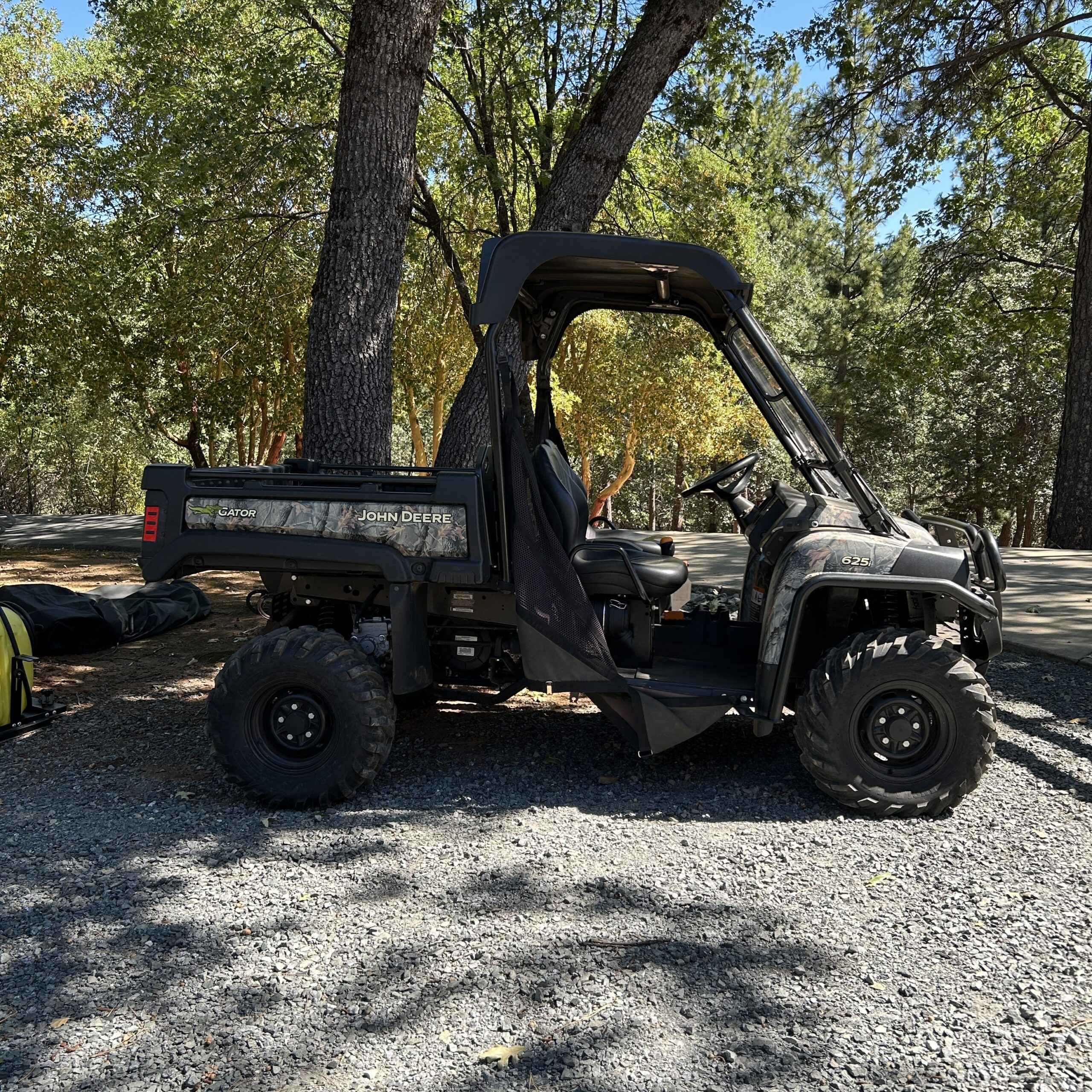
The John Deere Gator was also part of an estate assignment and was separated for pre-sale marketing. It remained onsite while buyer questions, payment, and pickup were managed. It sold for $11,900 in approximately one week.
The faster result does not establish that every UTV will sell in a week. It shows that a recognizable productive machine, presented to an appropriate buyer population with a workable inspection and pickup path, did not need to wait for a three-day general sale or be moved merely to begin marketing.
What was actually managed
- Recognition that each machine should be sold separately from ordinary estate contents
- Preparation and presentation appropriate to the individual item
- A dedicated Marketplace listing for each machine
- Buyer questions and qualification
- Inspection or appointment coordination
- Negotiation within the owner’s arrangement
- Verified payment and transaction documentation
- Pickup or loading coordination at the property
Kevin recalls approximately ten buyer questions and no more than roughly three active hours for each transaction. Calendar time and working time are different: the equipment could remain available to the market for a week or three weeks without requiring three weeks of continuous labor.
What these examples do—and do not—establish
They establish that two useful machines were individually marketed and sold from their properties, with the seller-side transaction handled through payment and removal. They support the practical viability of a property-held managed sale when the asset, access, authority, deadline, buyer demand, and seller arrangement fit.
They do not establish a universal value, commission, timetable, buyer response, operating condition, or promise that another tractor or UTV should remain onsite. A property deadline, unsafe access, weak documentation, limited demand, transport problem, title issue, condition concern, or unrealistic expectation can point to a different channel or a decline.
The repeatable decision is separation before liquidation
Neither sale required Sierra Nevada Equipment Dispersal to take responsibility for all household contents. The productive equipment could be considered on its own merits while another plan handled the rest of the estate.
That separation preserves choices: leave a qualified item at the property, relocate it only when justified, represent the owner on commission, consider a direct purchase, use a specialist, or route it elsewhere. The important step is to make that decision before a general cleanout or liquidation deadline removes the useful options.
Related decisions
- Why valuable equipment should be separated from general liquidation
- Should equipment stay on the property while it is being sold?
- What serious buyers need before inspecting a tractor
- Sell a tractor or loader
- Sell a UTV, Gator, or ATV
Tell us about the equipment before it is committed elsewhere
Sierra Nevada Equipment Dispersal considers selected tractors, UTVs, trailers, implements, livestock equipment, shop machinery, and other productive assets from estates, living owners, farms, ranches, and businesses. The equipment may remain onsite when that preserves value and the property situation permits it.
Start with the asset inquiry, call Kevin at 916-297-6668, or send a text.
See how these examples fit The Owner’s Guide to Selling Farm, Ranch, and Working Equipment.
Facts and scope
This field report is based on Kevin’s direct recollection of the completed transactions and photographs retained from the properties. Seller identities, property addresses, commission arrangements, buyer identities, and private transaction records are not published. Past results do not guarantee a particular price, timetable, buyer response, or acceptance of another asset.