EQUIPMENT DISPOSITION COMPENDIUM
Selling useful equipment is not one decision. It is a sequence: identify who can act, separate the consequential machines from everything else, preserve the evidence buyers need, understand the property deadline, and then choose the selling path.
This guide is for owners, heirs, trustees, executors, retiring operators, business representatives, and professional advisers dealing with tractors, UTVs, trailers, implements, livestock equipment, shop machinery, productive vehicles, and other working assets. It helps you find the right starting point without assuming that every situation belongs in an auction, estate sale, dealership, storage yard, or direct purchase.
Start with the situation that is creating the sale
You inherited the equipment
Establish who has authority to act, preserve identifying records and attachments, and avoid moving or repairing machines merely to make visible progress. Use What to Do With Inherited Tractors and Equipment.
The farm, ranch, shop, or business is retiring or closing
Operating, property, and financial deadlines may not be the same. Equipment can be grouped by dependency and sold in phases instead of being forced through one closing event. Read Selling Equipment When a Farm, Ranch, Shop, or Rural Business Is Retiring or Closing.
The property has to be cleared
Establish the last practical onsite date before committing to transport. Some equipment benefits from remaining in its working environment; other equipment must move because access, security, weather, insurance, or the real-estate schedule makes onsite marketing impractical. Use Should Equipment Stay on the Property While It Is Being Sold?
You are selling selected surplus equipment
You do not have to be closing a business or conducting an estate sale. A living owner or operating business can submit selected underused, replaced, or no-longer-needed equipment. The same discipline applies: define authority, identity, condition, buyer population, property window, and exit path before deciding whether to consign, relocate, sell directly, or accept an outright offer.
First separate consequential equipment from general contents
Productive equipment often has a different buyer, evidence burden, removal problem, and useful marketing window than ordinary household contents. That does not make every machine valuable or suitable for individual marketing. It means the equipment deserves its own evaluation before a broad liquidation deadline decides its fate.
Use the central decision guide, Separate the Equipment Worth Selling Carefully From Everything That Simply Has to Go.
Build a consequential-equipment register—not an inventory of everything
Begin with items likely to affect financial recovery, property timing, safety, or removal:
- Tractors, loaders, and attachments
- UTVs, Gators, ATVs, and productive vehicles
- Stock, equipment, utility, and specialty trailers
- Implements and livestock-handling systems
- Shop, fabrication, woodworking, and construction machinery
- Generators, pumps, compressors, welders, and consequential tools
- Installed, unusually large, specialist, or regulated property requiring a separate path
For each item or matched group, record location, visible identity, known attachments, last known use, records, property deadline, access, and the person authorized to approve a transaction. Unknowns belong in the record; they should not be replaced with guesses.
Preserve the evidence that affects a buyer’s decision
- Authority and ownership: who may approve the sale and which document or ownership record governs.
- Identity: manufacturer, model markings, serial or PIN evidence, configuration, and attached or loose components.
- Use: displayed hours or mileage, last known operation, and the difference between recollection and a current test.
- Condition: visible defects, leaks, damage, missing guards or parts, modifications, tires, batteries, controls, and known repair history.
- Completeness: keys, manuals, tooling, controls, buckets, forks, implements, spare parts, and service records.
- Site facts: safe access, inspection rules, demonstration limits, gate and door clearances, utilities, ground conditions, loading, and transport constraints.
- Transaction records: title, registration, lienholder, bill-of-sale, tax, estate, or specialist-transfer questions applicable to the actual property.
For tractors, the focused technical note What Serious Buyers Need Before Inspecting a Tractor shows how identity, hours, operation, hydraulics, PTO, brakes, tires, attachments, defects, access, and loading fit together.
Choose the disposition path after the facts are assembled
Property-held managed sale
The equipment remains where it is while documentation, marketing, buyer communication, inspection, payment, and pickup are managed. This can preserve operating context and avoid unnecessary handling when the property offers a workable window.
Relocated managed sale
A selected item moves because the property must close, access is unsuitable, security or weather is unacceptable, or the expected opportunity justifies hauling, storage, handling, and later removal.
Direct purchase
An outright offer can provide speed and certainty when ownership, condition, downside, capital exposure, and a credible exit path support it. A purchase price and a managed-sale recovery are different propositions and should not be compared as though the buyer assumes no risk or work.
Dealer, specialist consignment, or auction
A specialist may be the right path when category expertise, an established buyer network, facility, service capability, or auction format materially improves the probable outcome. Auction is a disposition method—not an automatic synonym for equipment selling.
General sale, parts, salvage, donation, referral, or decline
Some items do not justify individual preparation and marketing. A responsible evaluation can conclude that an item belongs with the general contents, should be routed to parts or salvage, needs a different specialist, or should not be accepted.
Compare expected recovery after the entire burden
Do not choose a path from an optimistic asking price alone. Compare the likely buyer population and expected net recovery after preparation, travel, inspection, loading, hauling, storage, handling, damage exposure, platform or specialist costs, active selling time, payment risk, and final disposal obligations.
A high gross price can still be the weaker path if the equipment absorbs too much capital, labor, transport, or holding risk. A property-held or consigned sale may preserve more optionality. A direct purchase may be justified when speed and risk transfer matter more. The actual answer depends on the equipment and the owner’s deadline.
A property-held sale still requires operating rules
Remaining onsite is not the same as leaving the transaction unmanaged. Establish who controls appointments, what buyers may inspect, whether any operation can responsibly be demonstrated, how payment is verified, who signs the bill of sale, when risk and possession transfer, and who is responsible for loading and site damage.
The onsite guide provides the complete location decision. The service process is explained in How We Sell.
Two completed sales show the property-held pattern
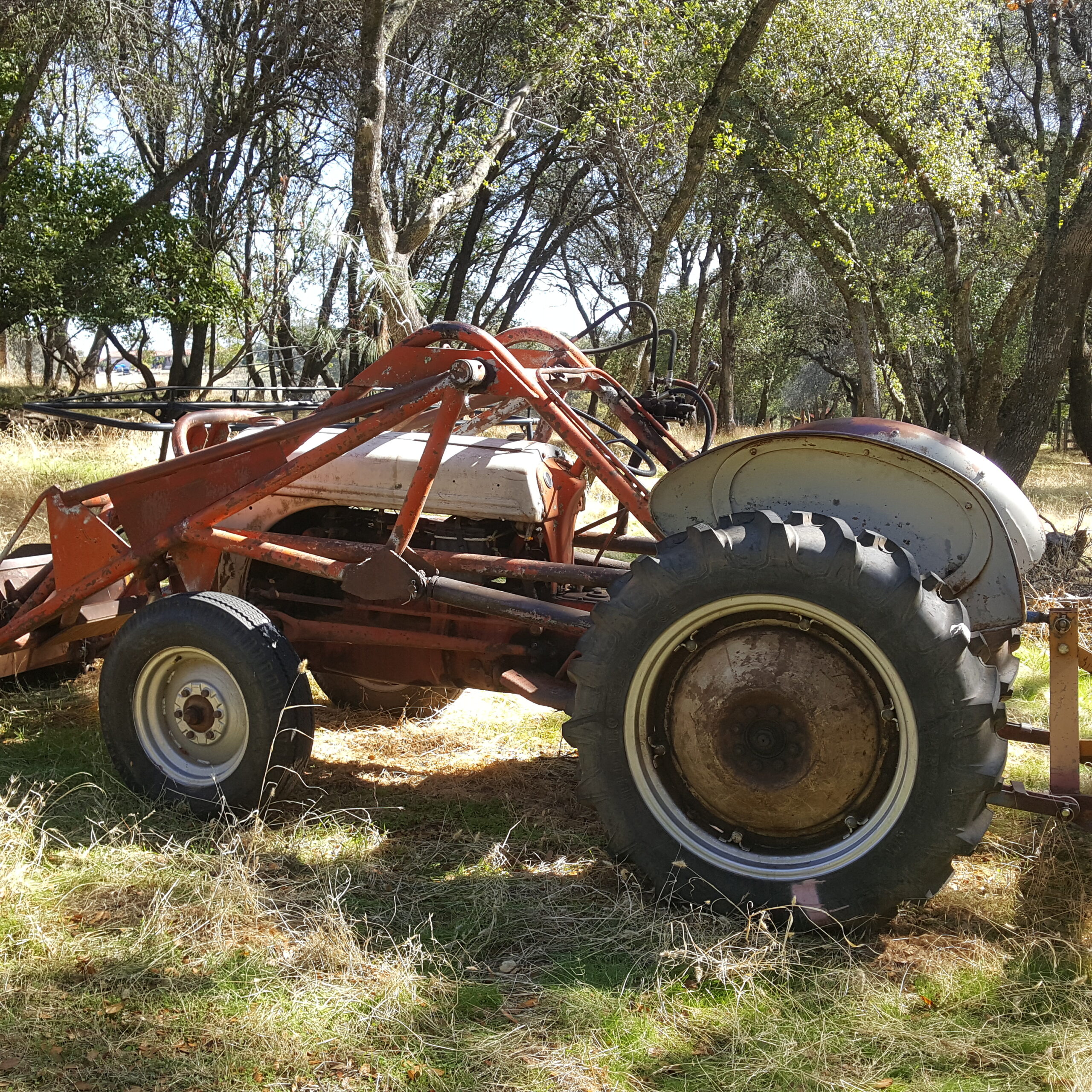
Ford 2N with loader
Sold for $3,500 in approximately three weeks while remaining at the estate property.
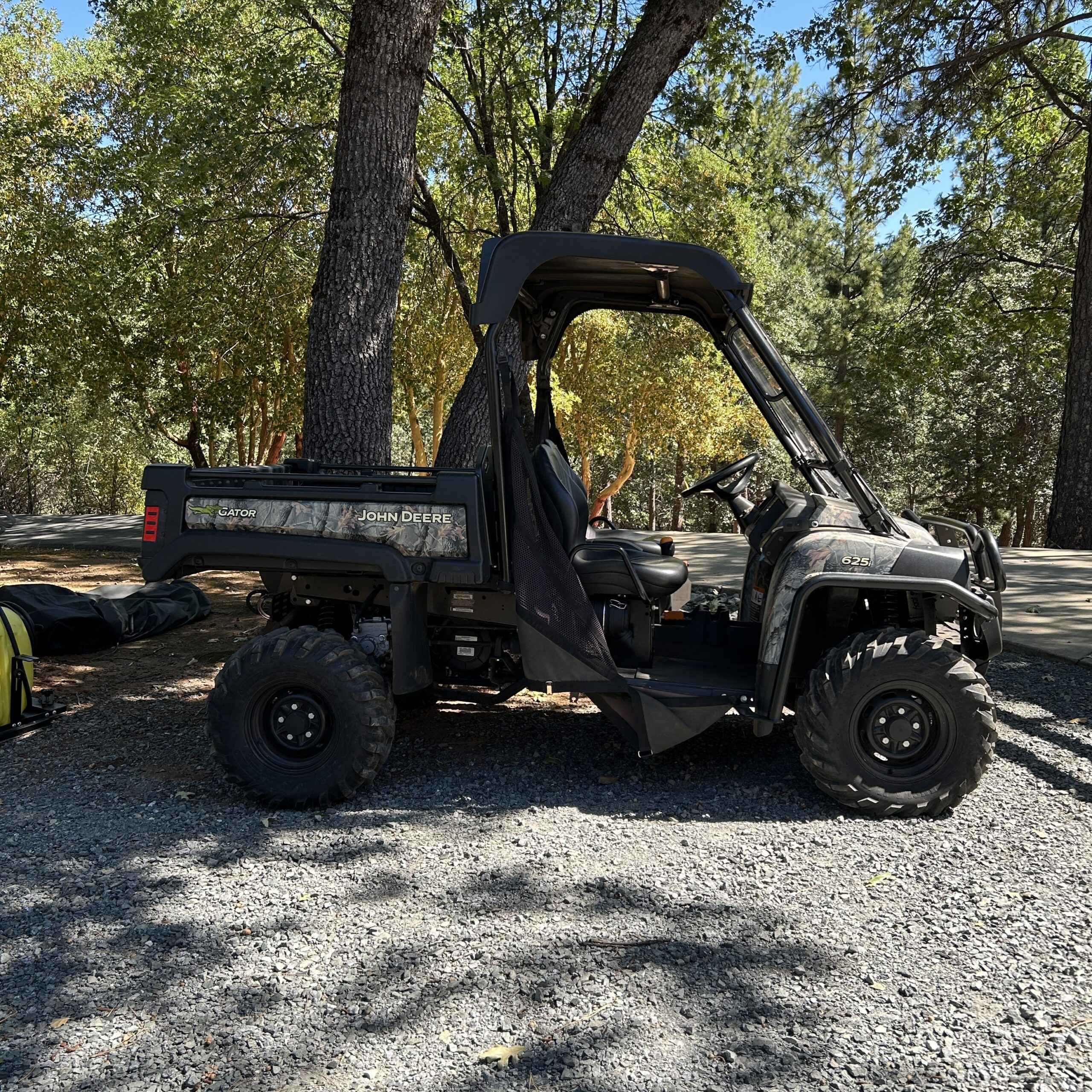
John Deere Gator
Sold for $11,900 in approximately one week while remaining at the property.
Both machines were separated from the surrounding estate contents and marketed before the general sale. Read Two Property-Held Equipment Sale Examples for the process and its limits. Past results do not guarantee a particular price, timetable, buyer response, or acceptance of another asset.
Choose the next focused path
- Farm and ranch equipment
- Tractors and loaders
- UTVs, Gators, and ATVs
- Working trailers
- Business and shop equipment
- Inherited equipment services
- Equipment disposition help for executors, trustees, attorneys, and property professionals
If the equipment appears consequential, contact Sierra Nevada Equipment Dispersal before a general liquidation, cleanout, auction commitment, or unnecessary move removes the useful options. Start with the asset inquiry, call Kevin at 916-297-6668, or send a text.
Authority, safety, and scope
Authority to sell, title and registration, liens, tax treatment, estate requirements, mechanical condition, safe operation, loading, transport, and regulated transfers depend on the actual property and transaction. California Courts provides current probate guidance; California DMV maintains title-transfer guidance; OSHA’s agricultural-equipment provisions and CDC/NIOSH’s farm-safety guidance explain why machine-specific controls and hazards must be respected.
This compendium is a disposition-planning framework, not an appraisal, legal or tax opinion, mechanical inspection, safety certification, transport plan, or guarantee of sale. Qualified legal, tax, title, mechanical, safety, environmental, transport, and regulated-property specialists should be used when the actual facts require them.